Pink Shabby Digital Papers Patterns
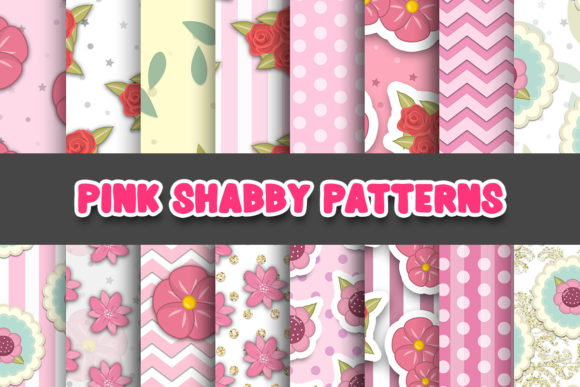
Pink Shabby Digital Papers Patterns refer to a collection of digital background designs characterized by a soft, worn, vintage-inspired aesthetic in pink hues. The term "shabby" evokes a distressed, lightly faded, or timeworn look that can add warmth and romantic charm to a variety of projects. A typical set labeled "16 Pink Shabby Digital Papers" includes 16 individual digital paper files, each featuring a distinct pattern such as floral motifs, stripes, polka dots, lace-like repeats, or subtle textures. These are not physical papers but digital images, usually in JPEG or PNG format, that can be printed or used as backgrounds in digital design work.
This article provides a balanced evaluation of these digital paper patterns for people who are researching whether such a set fits their project needs. It covers what they are, who might benefit from them, what tradeoffs exist, and how to determine if this specific set—or the general style—is the right choice.
Understanding Pink Shabby Digital Papers Patterns
At its core, Pink Shabby Digital Papers Patterns form a themed collection that emphasizes a cohesive color palette—typically various shades of pink, from pale blush to deeper rose—combined with a "shabby chic" or "vintage" design language. The patterns often include floral elements, soft damasks, or organic repeats that mimic aged wallpaper or fabric. The "16" in the title simply indicates the number of papers included, which is enough for small to medium projects without overwhelming the user with too many choices.
These papers are created using graphic design software and are intended for easy download and immediate use. Because they are digital, they offer flexibility: users can resize them, adjust opacity, or layer them with other elements. The patterns are usually seamless or at least tileable to a reasonable extent, though quality varies between designers.
Why Someone Might Be Interested in This Set
A primary reason people seek out Pink Shabby Digital Papers is the desire for a ready-made, coordinated set of backgrounds that saves design time. Instead of creating patterns from scratch or hunting for individual images, the user receives a collection that is guaranteed to work together tonally and stylistically. This is especially useful for people who are not professional graphic designers but want a polished look for craft or personal projects.
Another draw is the specific aesthetic. The "shabby" style often appeals to those planning events with a romantic, nostalgic, or feminine theme—for example, baby showers, birthday parties, or vintage-themed weddings. The pink color range also makes the papers a natural fit for projects aimed at children, such as scrapbook pages for a daughter, or for products related to flowers, romance, or soft interiors.
Finally, the inclusion of varied patterns within one set means a single purchase can provide diversity. A user creating an invitation suite might use a floral paper for the background, a striped paper for a border, and a plain textured paper for the text area. This versatility is a key attraction.
Benefits, Tradeoffs, and Practical Considerations
Like any design resource, Pink Shabby Digital Papers come with clear benefits and some limitations that should be weighed before purchase.
Benefits
- Cohesion: Because the papers are part of one collection, they share a consistent color palette and design feel. This eliminates the risk of mismatched colors or clashing styles when layering papers.
- Time savings: The set arrives ready to use. No need to search for multiple images or adjust colors to fit together.
- Scalability: Digital files can be printed at various sizes, from small card elements to large poster backgrounds, as long as the resolution is sufficient (typically 300 dpi is standard).
- Reusability: Once purchased, the digital papers can be used in multiple projects, provided the license allows it. Many commercial-use licenses are available, expanding their value for small businesses.
- Ease of use: Most sets are delivered as individual image files that can be opened in any basic image editor or inserted directly into word processing or design software.
Tradeoffs and Limitations
- Limited color range: The set is centered on pink. If a project requires other prominent colors, these papers may not blend well without heavy editing. For example, a blue-themed birthday might clash with the warm pink tones.
- Style specificity: The "shabby" look is not universally liked. It may appear overly worn or feminine for modern minimalist designs, corporate events, or projects targeting a male audience.
- File format and resolution: Some sellers offer only low-resolution JPEGs suitable for screen use, while others provide high-resolution files for printing. Always check the product description for DPI and dimensions. Low-resolution files will look pixelated when printed.
- Pattern size: The scale of the pattern might not be adjustable without distortion. A large floral motif might overwhelm a small tag, while a tiny repeated pattern may look like noise on a big poster. Seamless tiling is not guaranteed for every design.
- Originality: Digital papers from mass-market design platforms are often used by many people. For unique or high-end projects, the patterns may not feel exclusive.
What to Expect from the Files
When purchasing or downloading a set of 16 Pink Shabby Digital Papers, you can generally expect each file to be at least 12×12 inches at 300 dpi, or 3600×3600 pixels. This standard size is ideal for scrapbooking layouts, card making, and most printable crafts. The files are typically provided in JPEG format with high compression, though PNG is sometimes available for transparent backgrounds. A few designers include a preview sheet or a terms-of-use document. Be aware that "shabby" patterns often have a soft, faded look; if sharp high-contrast designs are needed, this style may not deliver.
Situations Where This Set Is a Strong Fit
Pink Shabby Digital Papers are particularly well-suited for certain types of projects and audiences:
- Scrapbooking and memory keeping: Especially for pages about children, weddings, anniversaries, or spring events. The soft patterns add depth without overwhelming photos.
- Invitations and stationery: Birthday party invites, tea party cards, bridal shower notices—all benefit from the romantic, slightly aged look.
- DIY crafts: Paper crafts such as making banners, gift boxes, or tags become quicker when backgrounds are pre-designed.
- Digital design elements: Blog backgrounds, social media graphics, or digital scrapbooking layers can use these papers as beautiful, ready-made textures.
- Small business packaging: For handmade jewelry or cosmetics with a vintage brand identity, pink shabby papers can create cohesive wrapping or labels.
The set of 16 means there is enough variety to create a multi-page project without repeating the same pattern, yet the number is manageable for browsing and selecting.
When Alternatives Might Be Worth Considering
Despite the benefits, Pink Shabby Digital Papers Patterns are not the best choice for every scenario. Alternatives may be better in the following situations:
- Need for non-pink color schemes: If your project requires blue, green, yellow, or neutral tones, you would need either a different set or a way to drastically shift the color of these papers, which may degrade the quality and the "shabby" effect.
- Modern or clean designs: The aged, distressed look contradicts minimalist or contemporary aesthetics. A set of clean geometric patterns or solid color papers would be more appropriate.
- High-volume commercial printing: If you need many unique backgrounds for a commercial product, a single 16-paper set might not provide enough distinct options. You might need multiple sets or custom design work.
- Vector-based projects: Digital papers are raster images that can lose quality when scaled far beyond their original size. For scalable vector graphics, you would want EPS or SVG pattern files instead.
- Full creative control: Some users prefer to design their own patterns from scratch to get exact colors and motifs. A pre-made set will always have stylistic constraints.
Practical Decision-Making Insights for the Reader
To determine whether Pink Shabby Digital Papers Patterns align with your goals, consider these aspects:
- Audience and occasion: Who will see the final product? If the audience appreciates vintage, romantic, or gentle feminine styles, the set is a strong match. If you're unsure, look at mock-ups from the seller to gauge reactions.
- Existing color palette: Do you already have other design elements (text, images, embellishments) that need to coordinate? The pink papers work best when paired with light neutrals, creams, gold, or white. Darker colors may also contrast well, but test before committing.
- Project scale: For a single card or a few pages, 16 papers are ample. For a large album or a full suite of marketing materials, you may need more variety. Consider buying two complementary sets or supplementing with plain backgrounds.
- Technical specifications: Verify the file resolution if you plan to print. For web use, lower resolution is fine, but ensure the JPEG compression is not too heavy (avoid artifacts). Check if the patterns are seamless if you intend to use them as wallpapers or large backgrounds.
- License rights: If you are creating items for sale (even small-scale), check the commercial use terms. Many digital paper sets allow commercial use but may forbid reselling the digital files themselves.
- Cost per paper: Compare the price of this 16-paper set to other options. Sometimes a larger bundle offers better value; other times, a single high-quality custom pattern costs more but gives unique results.
Ultimately, selecting a set like the 16 Pink Shabby Digital Papers is about matching the style and convenience to the specific needs of your project. If the aesthetic resonates and the technical requirements are met, the set can significantly streamline your creative process. If the constraints are too limiting, exploring other color families or pattern styles may prove more effective. The key is to evaluate not just the attractiveness of the papers, but their fit with your overall design vision and practical constraints such as printing quality and usage rights.
By taking a deliberate approach, you can decide whether these shabby pink patterns are the right resource or whether a different path will better serve your project's outcome.