Seamless Patterns, Halloween Backgrounds: Smart Choices for Better Designs
Every October, the rush to create Halloween-themed materials intensifies. Whether you are designing party invitations, packaging for seasonal products, social media posts, or a new line of fabric wraps, the quality of your foundation matters more than most people realize. Seamless patterns, Halloween backgrounds offer a versatile starting point, but using them effectively requires more than simply dropping a file into your project. Many creators, from seasoned designers to small business owners, make predictable mistakes that compromise their final output. Understanding what to look for and what to avoid can save you time, money, and frustration.
Why Seamless Patterns and Halloween Backgrounds Deserve Careful Attention
A seamless pattern repeats flawlessly, creating an uninterrupted flow across any surface. When paired with a Halloween theme, these designs can transform everything from wallpaper to fabric wrappers. The appeal is obvious: you get a professional look without designing every element from scratch. Yet the convenience of Seamless patterns, Halloween backgrounds often leads people to overlook critical details about resolution, file format, and intended use. A pattern that looks perfect on screen may tile poorly in print or stretch awkwardly across a three-dimensional object. The included EPS and JPG files, along with high resolution, promise flexibility, but only if you know how to exploit them properly.
Ignoring the File Format and Its Purpose
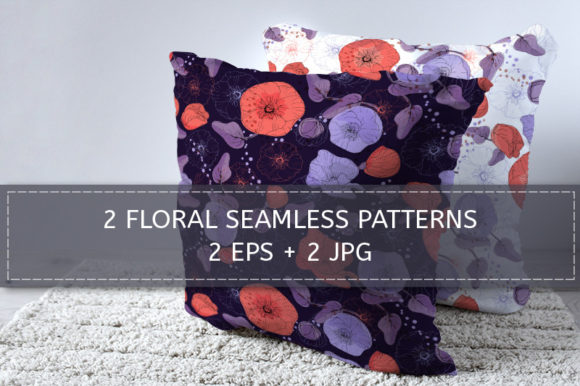
One of the most frequent errors is treating the EPS and JPG files as interchangeable. They are not. The JPG provides a raster image that is ready for immediate use in digital projects, social media, or low-resolution proofs. The EPS, being a vector format, offers scalability without quality loss. Beginners often open the JPG, resize it beyond its intended dimensions, and wonder why the pattern looks pixelated. Meanwhile, experienced users sometimes overlook the EPS entirely because they are unfamiliar with vector editing software. Both files serve distinct roles, and ignoring either one limits what you can achieve with Seamless patterns, Halloween backgrounds.
Better approach: Use the JPG for quick placements, mockups, and web use. Use the EPS when you need to scale the pattern to wallpaper size, print on large-format materials, or customize colors and elements. If you do not have Adobe Illustrator, free alternatives like Inkscape can handle EPS files. Taking the time to learn basic vector editing pays off when you need to adjust a pattern for a specific product.
Overlooking Resolution Requirements for Different Surfaces
The term "high resolution" gets thrown around casually, but its meaning changes depending on your output. A pattern that looks crisp on a smartphone screen may appear blurry when printed on a 24-inch wide fabric wrapper. The included JPG likely comes at a set resolution, often 300 DPI for print quality, but the dimensions matter just as much. Many users assume that because the file says high resolution, it will work for everything. This assumption leads to disappointment when the pattern does not tile properly on a large wall or repeats too frequently on a garment.
What to check before using: Confirm the pixel dimensions of the JPG and the actual tile size of the pattern. For wallpaper or large fabric runs, you may need to use the EPS to generate a larger tile that repeats at a scale appropriate for the surface. Test the pattern at the physical size you intend to use. A small tile that repeats every two inches can look busy on a tablecloth but charming on a gift bag. Adjust the scale in your design software rather than simply stretching the image, which distorts the pattern.
Misunderstanding Seamless Repetition in Practical Applications
A seamless pattern in a digital file does not guarantee a seamless appearance on your finished product. The repeat structure, though mathematically perfect, can create visual problems when applied to items with seams, curves, or irregular shapes. Clothing, for instance, has darts, seams, and gathers that break the pattern. Wrappers and packaging have folds and edges where the pattern must align. Many creators assume the pattern will wrap around an object naturally, only to discover mismatches at the seams.
Practical advice: Before committing to a design, create a mockup that shows how the pattern behaves on your specific surface. Use the EPS file to generate a larger repeat area so you have flexibility in positioning. For fabric, consider the garment's construction and where seams fall. For wrappers, align the pattern so that the most visible areas, like the front of a package, display the design without interruption. The seamless nature of the file helps, but your placement decisions determine the final quality.
Color Consistency Across Different Materials
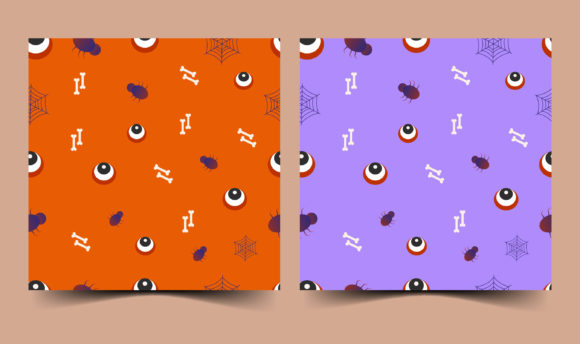
The colors in a digital file rarely look identical on every material. A vibrant orange and black pattern may appear muted on uncoated paper, overly bright on glossy vinyl, or distorted on dark fabric. Users often blame the file when the real issue is the medium. Seamless patterns, Halloween backgrounds are designed with specific color profiles, but those profiles assume standard printing conditions. If you print on a home printer, the results will differ from a commercial press.
How to avoid this: Request a physical proof before full production, or run a small test print on your chosen material. Adjust the color saturation and contrast in your software to compensate for the substrate. For fabrics, consider how the weave affects the pattern's clarity. If the file includes a color guide or swatches, reference those rather than relying on your screen. This step is especially important for entrepreneurs and small business owners who order bulk packaging or fabric runs.
Licensing and Usage Restrictions
Not all pattern files come with the same rights. Some allow commercial use, others restrict it to personal projects, and many fall into a gray area. Marketers, educators, and freelancers who use Seamless patterns, Halloween backgrounds for client work or product sales must verify the license. Assuming a file is free for commercial use can lead to legal headaches or takedown notices later.
What to check before downloading or buying: Read the license terms carefully. Look for explicit language about commercial use, redistribution, and modification. If the listing says "personal use only," do not use it for branding, products, or any venture where money changes hands. When in doubt, contact the seller or creator. A reputable provider will state the terms clearly. This extra step protects your business and ensures you are not penalized for an honest misunderstanding.
Treating the Pattern as a Complete Design Solution
A common pitfall among beginners and even some professionals is relying on a single pattern to carry an entire design. A Halloween background can set the mood, but it works best as a layer, not the entire composition. Adding text, graphics, or other elements on top of a busy pattern often results in a cluttered, unreadable mess. The pattern competes with the other components rather than supporting them.
Better approach: Use the pattern as a texture or backdrop, then apply contrasting colors for text and foreground elements. For packaging, consider using the pattern on one panel and a solid color on another to create visual breathing room. For social media graphics, overlay text with a subtle shadow or outline to ensure readability. The best outcomes come from treating the pattern as a collaborator in your design, not the sole performer.
Testing Before Full Commitment
Before you print fifty yards of fabric or five hundred wrappers, test your pattern in context. Use the JPG to create a digital mockup on your product. Print a single sheet of wallpaper and tape it to the wall. Sew a sample garment using the fabric and check the pattern alignment. This testing phase reveals issues that a screen preview cannot show. It also gives you a chance to adjust the scale, rotation, or placement before you invest significant resources.
Leveraging Vector Flexibility
The EPS file included with Seamless patterns, Halloween backgrounds is your most powerful tool. Vector files allow you to change colors, remove elements, resize without limit, and create custom variations. If the pattern includes bats, pumpkins, and stars, you can isolate the bats for a different application or recolor the entire design to match your brand. Learning the basics of vector editing, even just opening the file and exporting a new JPG at a different scale, multiplies the value of your purchase.
Building a Library for Future Projects
Once you have a set of high-quality Halloween patterns, store them in an organized folder with notes about resolution, color profile, and best-use scenarios. This library becomes a resource for seasonal campaigns, client work, and personal projects. When next October arrives, you will already have tested, proven designs ready to deploy. The initial investment of time pays dividends in efficiency and consistency.
Matching the Pattern to Your Audience and Purpose
Halloween themes range from cute and whimsical to dark and eerie. The same pattern that delights children at a school party may feel out of place in a high-end retail display. Consider your target audience and the context. A pattern with grinning jack-o-lanterns and friendly ghosts works well for family-oriented products, while a more subtle, textured pattern suits an upscale boutique. The versatility of Seamless patterns, Halloween backgrounds means you can find or customize a design that fits your specific niche.
What to Look for Before You Buy or Download
- File specifications: Confirm the resolution, dimensions, and color mode. At minimum, 300 DPI for print and RGB for screen use. Check whether the EPS is editable and which software version it requires.
- Repeat quality: Examine the pattern edges for visible seams, color shifts, or misaligned elements. Download a sample if available and test the tile in your own software.
- Included variations: Some packages offer multiple colorways or scales. Even if the listing shows one design, the files may include options that expand your creative possibilities.
- Support and documentation: Reputable sellers provide instructions, color guides, or answers to common questions. This support can save you from errors during setup.
- Reviews and examples: Look for projects that other users have created with the same pattern. Photos of finished products reveal how the design performs in real-world conditions.
Making Thoughtful Choices for Lasting Results
The appeal of ready-made designs is undeniable. They save time, reduce effort, and provide professional quality without the steep learning curve. But the difference between a mediocre outcome and an impressive one often comes down to how well you prepare. Taking a few extra minutes to verify file formats, test materials, and plan your layout can turn a generic pattern into a standout product. Whether you are a blogger creating seasonal graphics, a freelancer packaging a client's product line, or a hobbyist sewing Halloween costumes, the principles remain the same. Understand your tools, respect your materials, and design with intention. That approach will serve you far better than rushing to meet a deadline with unchecked files. Seamless patterns, Halloween backgrounds become genuinely powerful when you treat them as the flexible, high-quality resources they are meant to be.