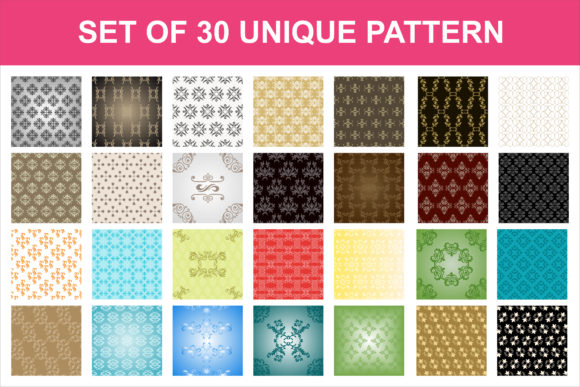
Unique Ornamental Patterns: A Strategic Design Resource for Professionals
In the crowded landscape of digital and print design, the difference between a forgettable visual and one that commands attention often comes down to detail. Ornamental patterns carry a particular weight—they evoke tradition, craftsmanship, and sophistication. But working with such elements from scratch is rarely efficient. That is where Unique Ornamental Patterns enters as more than just a collection of decorative graphics. It is a resource designed to support intentional decision-making, streamline creative workflows, and elevate communication across multiple channels.
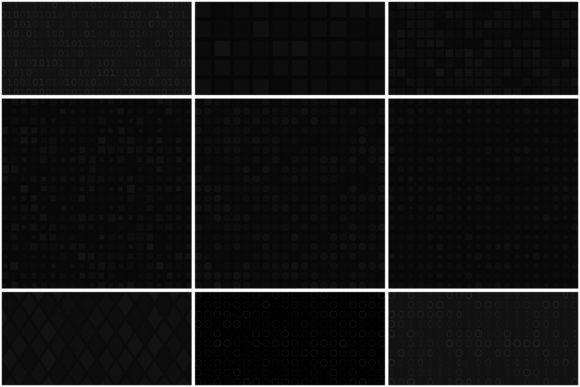
As an experienced practitioner in design operations and brand development, I have seen how teams and solo creators alike waste hours recreating intricate motifs or searching for assets that align with a specific aesthetic. This bundle addresses that friction directly. With 100 editable and scalable patterns, fully layered and grouped files, and four versatile formats—AI, CDR, EPS, and JPG—it offers a structured foundation for any project that demands ornamental richness. But the real value lies in how you choose to deploy these patterns within your broader goals.
Why Ornamental Patterns Matter Beyond Decoration
Ornamental patterns are not merely decorative flair. They communicate cultural cues, signal quality, and establish a visual rhythm that guides the eye. For a small business owner building a brand identity, a well-chosen pattern can reinforce trust and heritage. For a marketing professional planning a campaign, a repeating ornamental border can unify disparate materials. For a hobbyist creating custom invitations, the right pattern transforms a simple design into a memorable experience.
When you work with Unique Ornamental Patterns, you are not just downloading clip art. You are gaining a toolkit for visual consistency and emotional resonance. The strategic advantage comes from understanding that each pattern carries a mood—some are geometric and modern, others flow like botanical vines or classical scrollwork. Selecting the pattern that aligns with your audience’s expectations and your message’s tone is a deliberate act of communication, not an afterthought.
How Thoughtful Use Supports Core Goals
There is a direct link between strategic asset use and improved outcomes in branding, productivity, and customer experience. When a pattern is applied purposefully, it reduces visual noise and clarifies hierarchy. For example, a layered ornamental pattern used as a subtle watermark on a website can convey elegance without overwhelming content. Used as a background for a product label, it can increase perceived value and influence purchase decisions.
From a planning perspective, the 100 editable and scalable patterns in this bundle allow you to test variations quickly. In my experience, having a library of grouped layers means you can isolate specific elements—a leaf motif, a border frame, a corner ornament—and repurpose them across different formats. This efficiency directly impacts productivity. Instead of redrawing a complex flourish for a social media graphic and then again for a brochure, you adjust scale and color once. The result is faster turnaround without sacrificing quality.
For educators and content creators, ornamental patterns serve as visual anchors. A blog post about historical architecture benefits from a pattern that echoes the period. A presentation on luxury branding gains authority when each slide uses a consistent ornamental thread. With the fully layered and grouped structure, you can customize these patterns to match your color palette and typography without breaking the design integrity.
When and How to Approach Using Unique Ornamental Patterns
Timing and context are critical. Ornamental patterns are not suited for every scenario—sometimes minimalism is the right choice. But when your goal is to evoke tradition, formality, celebration, or craftsmanship, these assets become powerful allies. Consider using them in:
- Brand identity projects – business cards, letterheads, logo marks that incorporate ornamental elements.
- Event materials – wedding invitations, certificates, awards, and programs where detail signals importance.
- Packaging design – premium product boxes, labels, and hang tags that benefit from intricate detailing.
- Digital interfaces – website dividers, icon backgrounds, or app splash screens that need a touch of artistry.
- Educational resources – worksheets, infographics, and e-books that require visual interest without clutter.
Before you begin, take inventory of your project’s core message. Ask yourself: Does this pattern reinforce the narrative, or will it distract? A good rule of thumb is to use ornamental patterns in moderation—one dominant element per layout, and keep contrast high enough to maintain readability. Because the bundle includes 4 file formats AI, CDR, EPS, JPG, you have the flexibility to work in vector software for precision editing or use the JPG previews for rapid prototyping. I recommend starting with the AI or EPS files if you need to tweak individual paths; the layered structure ensures you never have to redraw from scratch.
Strategic Observations for Long-Term Value
One of the overlooked advantages of Unique Ornamental Patterns is its scalability across media. A pattern that works for a stationery set can be adapted for a website header, then scaled down for a mobile app icon. Because the files are vector-based, you are not limited by resolution. This consistency across touchpoints builds brand recognition and saves resources over time.
For decision-makers and small business owners, this means a single investment in a pattern bundle can serve multiple campaigns, seasonal updates, or product lines. The key is to build a small library of favored patterns from the 100 available and reuse them with intentional variation—change the color, rotate, or combine with other patterns. This approach avoids visual fatigue while maintaining a cohesive identity.
Another strategic observation: ornamental patterns often work best when they are not the focal point but the supporting texture. In my work with client brands, I have seen the most successful applications place patterns behind text or inside borders, letting the content shine while the pattern adds depth. This is especially effective for bloggers and publishers who want their articles to feel premium without overpowering the reading experience.
Risks of Using Ornamental Patterns Without Clear Goals
No resource is risk-free if applied carelessly. The most common pitfall is over-decoration—layering too many patterns, using high-contrast ornaments that fight with text, or selecting patterns that clash with the brand’s existing visual language. Without clear goals, ornamental elements can make a design feel dated or chaotic rather than sophisticated.
Another risk is inconsistency. If you use one pattern for a social media post and a completely different style for your website, you lose the opportunity to build a recognizable visual voice. Even within the Unique Ornamental Patterns bundle, there is stylistic variety. You need a guiding principle—whether it is symmetry, a specific color family, or a particular era of ornamentation—to ensure cohesion.
To avoid these risks, always test patterns in context. Print a sample, view it on a mobile screen, and ask a colleague or client for honest feedback. Does the pattern enhance the message, or does it compete? If you cannot articulate why a particular pattern is there, it is probably extraneous. Use the layered files to reduce opacity, crop, or isolate only the portions that serve your purpose. This discipline turns a decorative asset into a strategic tool.
Practical Examples and Decision-Making Guidance
Imagine you are a freelancer designing a set of social media templates for a boutique hotel. The brand identity revolves around understated luxury. You browse the Unique Ornamental Patterns collection and find a delicate damask pattern. Instead of using it as a full background, you isolate a single repeat and place it in the corner of each template. You adjust the color to match the hotel’s signature navy, and you scale it so that it becomes a subtle texture rather than a dominant graphic. The result is a series of posts that feel cohesive, premium, and distinct without being flashy.
As a decision-maker, you might ask: How much time did this save? Instead of illustrating custom ornaments from scratch, you spent 15 minutes editing a layered AI file. That time can be redirected toward client communication or content strategy. Multiply that across 100 patterns, and the bundle becomes a productivity multiplier.
For a publisher creating a series of e-books on world cultures, you could assign different ornamental styles to different volumes—geometric patterns for Middle Eastern topics, floral motifs for European history. The 100 patterns give you enough variety to maintain visual distinction while adhering to a consistent layout grid. Because the files are fully grouped, you can copy the same set of layers into each e-book template and simply swap the pattern layer. This repeatable process builds efficiency and reduces errors.
When approaching the bundle for the first time, I recommend a structured exploration. Open the EPS or AI file in your preferred software, and use the layer panel to understand how the patterns are constructed. Notice which elements are grouped separately. This understanding will empower you to combine patterns, invert colors, or extract individual motifs. The more familiar you become with the underlying structure, the more creative applications you will discover.
Integrating Unique Ornamental Patterns Into Your Workflow
Long-term value requires integration. Rather than storing the files in a forgotten folder, make the bundle part of your design library. Create a naming convention for your favorite patterns so you can locate them quickly. If you work with a team, share the assets with a brief guide on when each pattern style is best used. This transforms a one-time download into a shared resource that reinforces your brand guidelines and speeds up everyone’s work.
For small business owners who outsource design, providing a selection of patterns from this bundle to a designer gives them a concrete starting point. It reduces back-and-forth and ensures that the ornamental style aligns with your vision. This collaborative efficiency is often undervalued but directly impacts project turnaround and budget.
Finally, keep an eye on future projects. The patterns are 100 editable and scalable, meaning they can adapt to trends without becoming obsolete. As your business evolves, you can recolor or restyle these assets to match new color palettes or packaging changes. This flexibility protects your initial investment and supports continuous improvement in your brand’s visual expression.