Magical Forest Seamless Patterns for Designers
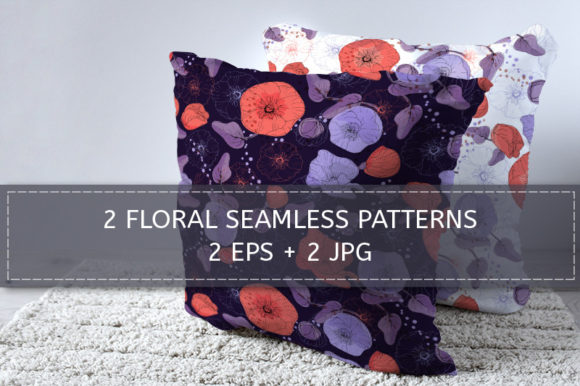
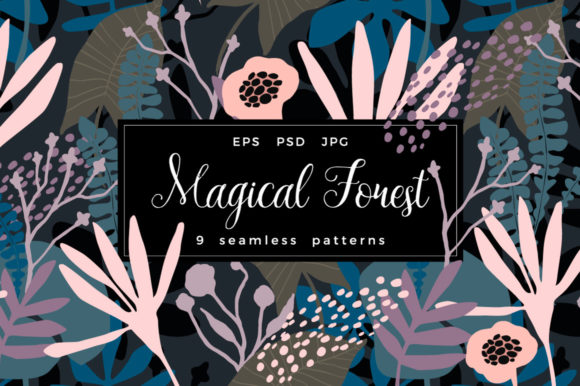
A single pattern can shift the entire mood of a project. When that pattern carries the quiet depth of a woodland scene, the effect becomes even more pronounced. Magical Forest. 9 Seamless Patterns. offers exactly this kind of visual anchor for designers, marketers, and creators who need natural, repeatable textures that feel both modern and grounded. Combined with a set of abstract floral seamless patterns built with hand-drawn textures, this collection opens a wide range of creative possibilities for paper goods, digital publishing, fabric design, interior decor, and beyond.
What makes this collection interesting is not just the subject matter, but the delivery. You receive nine EPS 10 files, nine PSD files, and nine high-resolution JPG files at 300 dpi. That means you can scale the patterns without losing clarity, edit layers in Photoshop if you need to adjust color or composition, and use the vector files for large-format applications. The files arrive ready to drop into your workflow, which saves time and reduces friction when you are working against a deadline.
Understanding the Visual Language of the Collection
The patterns draw from two overlapping visual themes. First, the forest-inspired motifs carry organic shapes, layered foliage, and subtle depth that suggests dappled light and natural movement. Second, the abstract floral elements bring a hand-drawn quality that feels personal rather than mechanical. This combination works well for projects that need warmth, texture, and a sense of craftsmanship.
Because the patterns are seamless, you can tile them across any surface without visible seams or awkward repeats. This is essential for fabric printing, wallpaper, gift wrap, website backgrounds, and any application where the pattern needs to flow continuously. The hand-drawn textures also prevent the designs from looking flat or overly digital. They carry small irregularities that give the work a bespoke feel.
Who Benefits Most from This Pattern Set
Different users will find different entry points into this collection. Here is a breakdown of how specific audiences can adapt the patterns for their own goals.
- Graphic designers and illustrators can use the vector files as base elements for branding projects, packaging mockups, or editorial illustrations. The EPS files integrate cleanly into Adobe Illustrator, and the layered PSD files allow quick color shifts to match a brand palette.
- Small business owners and entrepreneurs can apply the patterns to product packaging, stationery, or social media templates. A consistent visual theme across your product line builds recognition, and these patterns offer a natural aesthetic that fits lifestyle brands, organic products, and handmade goods.
- Bloggers and content creators can use the JPG files as background textures for blog headers, YouTube thumbnails, or Instagram story templates. The 300 dpi resolution ensures sharp output even when you crop or resize.
- Fabric and surface designers can test the patterns on textile mockups, home decor items, or accessory designs. Because the patterns are seamless, you can visualize how they wrap around a pillow, a dress, or a tote bag without distortion.
- Educators and hobbyists can use the files for classroom projects, digital mood boards, or personal creative exploration. The hand-drawn quality makes them approachable, and the variety of nine patterns gives enough range to experiment without feeling overwhelmed.
Creative Applications Across Different Formats
One of the strengths of this collection is how easily it moves between print and digital formats. Below are several project ideas that show the range of what you can accomplish with the patterns.
Paper Goods and Print Collateral
Gift wrap, greeting cards, notebooks, and journal covers all benefit from a pattern that feels immersive. The forest and floral motifs work especially well for seasonal products, wedding stationery, or nature-themed collections. If you design paper goods for a small brand or an Etsy shop, you can use the JPG files directly in print templates. The 300 dpi resolution means you will get clean results at standard print sizes.
For a more polished finish, open the PSD files and adjust the opacity or overlay mode. You can layer the pattern over a solid background or combine it with typography for a card design. The hand-drawn texture adds a tactile quality that plain vector patterns often lack, which helps your printed pieces feel more like art objects than mass-produced items.
Fabric and Interior Decor
Textile design requires patterns that repeat flawlessly. The seamless construction of these files means you can upload them to fabric printing services like Spoonflower or Printful without worrying about alignment issues. Consider using the patterns for throw pillows, curtains, tote bags, or even upholstery accent pieces.
Interior decor applications also extend to wallpaper, wall art, and decorative panels. Because the patterns carry a natural, abstract quality, they work well in spaces that aim for a calm, organic atmosphere. A single pattern repeated across a feature wall can create a focal point without overwhelming the room. If you are a freelance interior designer or a DIY enthusiast, the EPS files give you the flexibility to scale the pattern up or down depending on your wall dimensions.
Digital Media and Web Design
Website backgrounds, email newsletter headers, and digital product mockups all benefit from textures that feel rich without being distracting. The hand-drawn floral patterns add visual interest to hero sections or landing pages, especially for brands focused on wellness, nature, or slow living.
Social media templates also become more distinctive when you use these patterns as frame elements or background fills. An Instagram carousel with a consistent pattern theme feels curated and intentional. You can export the JPG files at lower resolutions for web use, or keep the PSD files handy for quick edits when testing different color variations.
Practical Guidance for Keeping Results Clear and Consistent
Working with seamless patterns is straightforward, but a few practical habits will help you maintain clarity and consistency across your projects.
- Check scale before applying. A pattern that looks balanced on a small swatch may feel too dense or too sparse when scaled to a larger surface. Open the EPS file and test the pattern at different sizes before committing to your final layout.
- Use color overlays thoughtfully. The PSD files include layers that let you adjust hue, saturation, and contrast. If you need the pattern to align with an existing brand palette, make those adjustments early in your workflow rather than relying on post-processing filters.
- Keep a master file. When you open a PSD file and make changes, save a copy as a master version before exporting for different uses. This protects your original color and composition choices so you can revisit them later without starting over.
- Test on multiple backgrounds. The patterns may behave differently on light, dark, or textured surfaces. Generate a few quick mockups to see how the hand-drawn lines read against different backgrounds. Dark backgrounds can make fine textures disappear, while light backgrounds may emphasize subtle details.
- Combine patterns deliberately. You have nine patterns in one collection. Use them as a family by mixing one floral abstract pattern with one forest motif on the same project. This creates visual variety while keeping the overall look cohesive.
Adapting the Patterns for Different Audiences and Contexts
Not every project needs the same treatment. The way you use these patterns should shift depending on who you are designing for and where the work will appear.
For a lifestyle brand targeting women aged twenty-five to forty, the abstract floral patterns with hand-drawn textures can support an approachable, feminine aesthetic without feeling saccharine. Use them on product packaging, hang tags, and social media templates. Keep the color palette muted with warm neutrals to reinforce the natural theme.
For a children’s book project or educational material, the forest motifs offer a gentle entry point into nature-themed visuals. The patterns can serve as background textures for storytelling pages or as decorative elements on worksheets. Because the lines are hand-drawn, they do not feel clinical or overly polished, which helps younger audiences connect with the material.
For a corporate client who wants to soften their brand image, the patterns can be used sparingly as accent textures on annual reports, presentation templates, or website footers. The hand-drawn quality adds warmth without sacrificing professionalism. Stick to one or two patterns and apply them with restraint to avoid visual clutter.
Keeping Your Work Original and Audience-Friendly
Pattern collections like this one are tools, not finished products. The originality of your work comes from how you combine, color, and apply them. Avoid using a pattern as a one-size-fits-all solution. Instead, treat each pattern as a starting point that you adapt to fit your specific project goal.
If you are a freelancer pitching to a client, mock up two different applications using the same pattern but different color treatments. This shows that you understand how to push a design system in multiple directions. If you are a small business owner building your visual identity, select one or two patterns that resonate with your mission and use them consistently across your materials. Consistency builds recognition better than variety alone.
The hand-drawn textures in this set already give you an advantage over purely geometric or vector-generated patterns. Lean into that texture by pairing it with organic typography, natural paper textures, or photographic elements that echo the forest theme. The result will feel cohesive and considered, which is exactly what audiences respond to in a crowded visual landscape.
Final Recommendations for Getting the Most from the Collection
Start with the JPG files if you need quick results for a mockup or social media post. Move to the PSD files when you need to adjust color or layer the pattern with other elements. Use the EPS files for large-scale print projects or when you need to scale the pattern significantly without losing quality.
Experiment with the patterns in unexpected contexts. A forest pattern that works for a fabric print might also serve as a dynamic video background or a digital wallpaper for a membership site. The more you experiment, the more you will discover natural applications that go beyond the obvious.
The combination of forest motifs and abstract floral textures gives you a versatile toolkit that works across print, digital, fabric, and decor. Whether you are a seasoned creative professional or someone just beginning to build your visual identity, these patterns offer a reliable foundation that you can adapt, remix, and refine for your own projects.